


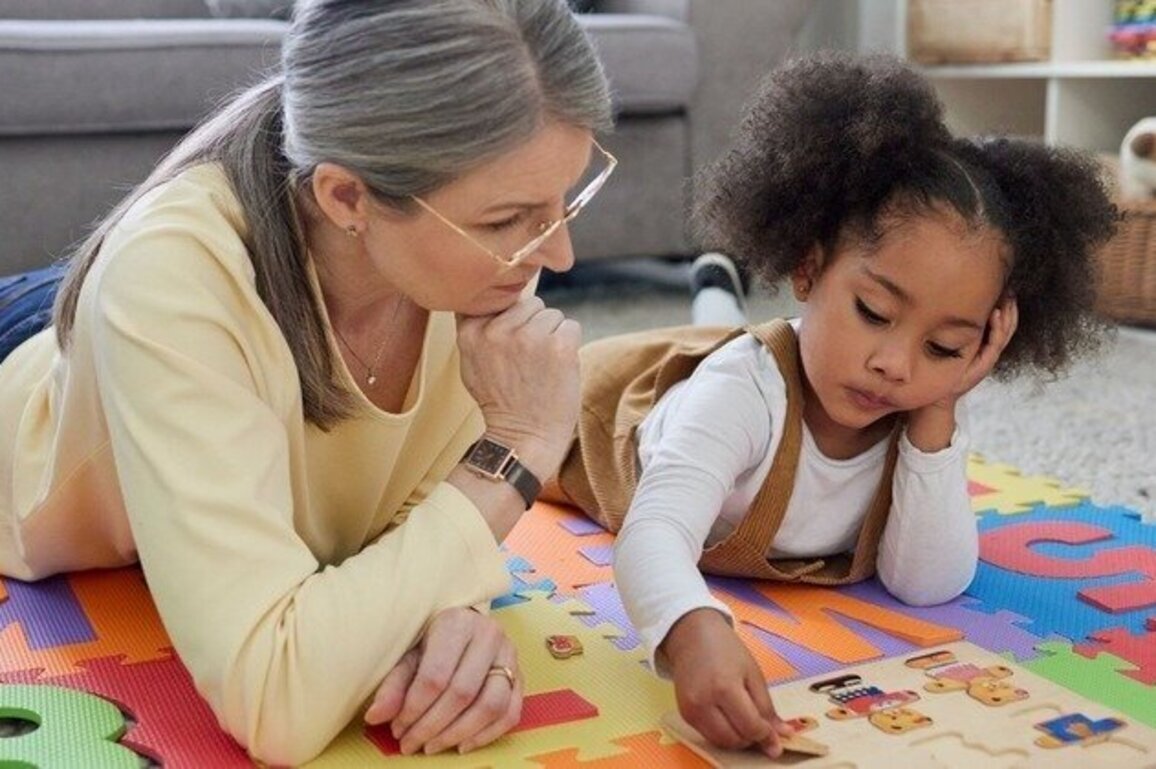
A home visitation program is helping Tennessee families strengthen relationships with their children and get them ready for kindergarten.
Research shows 40% of Tennessee kids aren't prepared for school – a challenge that’s even greater in rural areas where child care, transportation, and resources are limited.
Chapple Osborne‑Arnold, Tennessee state director for Save the Children, said nearly 90% of brain development happens before age six, and early learning shapes long‑term success.
She said parents are a child’s first teacher, and the program gives families the tools and confidence to support early learning at home.
"Families, they volunteer, and a home visitor visits them twice a month," said Osborne‑Arnold, "and they work with the parents on those fine motor skills, social emotional skills with their kids, self-care skills, early reading and language, early math skills."
She noted that Save the Children's home visitors conducts screenings and assessments for young kids to spot developmental needs early and connect families with support. Families can sign up through their local school district or at SavetheChildren.org.
Tracie Kenney, senior advisor for kindergarten readiness with Save the Children, said kids who take part in high-quality early learning programs are more likely to graduate high school on time, avoid repeating a grade, stay out of trouble, and see higher lifetime earnings.
She added that early childhood coordinators known as home visitors work with parents to assess family needs, set goals, and make sure children have access to early literacy resources.
"Save the Children also incorporates the evidence based Raising a Reader book bag exchange program into home visits," said Kenney, "just designed to increase access to high-quality, culturally-appropriate books in the child's home."
Kenney pointed out that during the 2024 to 2025 school year, more than 8,000 children took part in Save the Children’s home visiting and kindergarten readiness programs.
Eighty-four percent of participating three-year-olds and 92% of five-year-olds performed at or above the typical range on a nationally-recognized language test.
Source: Public News Service