

WASHINGTON (Feb. 23, 2026) - Assistant Secretary of the Army for Civil Works Adam R. Telle announced today a major initiative, "Building Infrastructure, Not Paperwork," for the Army's Civil Works program.
"Building Infrastructure, Not Paperwork" will provide greater focus on the U.S. Army Corps of Engineers' (USACE) core Civil Works missions, while minimizing non-core programs, direct funding to priority water resources projects that will provide the greatest benefits to the nation, shorten permitting timelines, and reduce or eliminate extraneous regulations and paperwork that slow USACE's delivery of Civil Works projects and programs.
"Building Infrastructure, Not Paperwork" will enable USACE district commanders around the nation to execute the Civil Works projects and programs that benefit the nation. USACE commanders will be empowered to take informed risks in advancing critical water resources projects and programs to completion faster and at less cost. The policy changes will also bring greater transparency and accountability for the program to the American public, project partners and sponsors, industry, and the elected leaders who make the annual funding decisions for the Civil Works program.
The plan consists of 27 initiatives grouped under five categories:
The initiatives do not affect USACE execution of its emergency response support to natural and manmade disasters.
U.S. Army Corps of Engineers Nashville District welcomes transformation initiative
The USACE Nashville District welcomes the "Build Infrastructure, Not Paperwork" initiative, which focuses federal resources on the nation's most important and complex challenges.
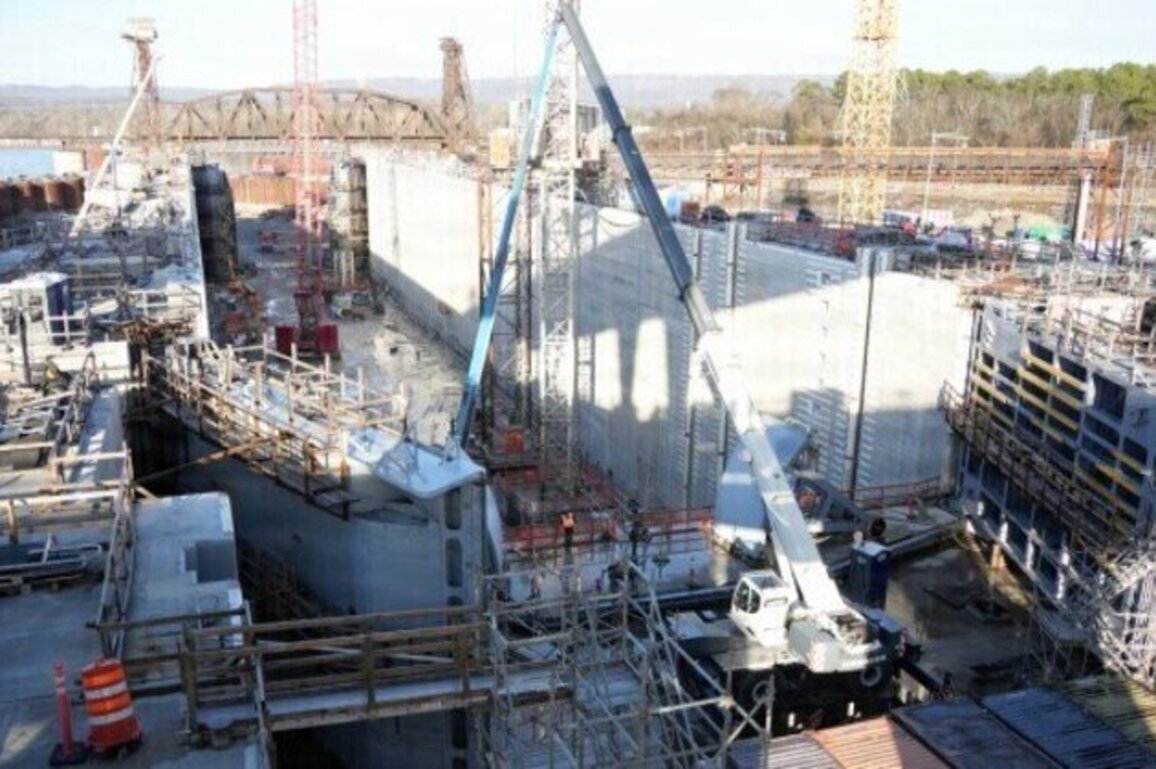
In Chattanooga, Tennessee, the Nashville District is advancing a massive infrastructure project, the construction of a new 600-by-110-foot navigation lock - a mega-project designed to safeguard 318 miles of the upper Tennessee River. By allowing nine barges to pass in a single lockage, this upgrade will slash commercial transit times by 80%. With the recent award of the Approach Wall and Decommissioning Contract, the Nashville District is one step closer to delivering a faster, more reliable future for regional navigation, and will continue to prioritize efficient project delivery to bolster the regional and national economy.
The Nashville District is also maximizing its ability to deliver on national infrastructure needs through a critical effort to replace all spillway gates at Wolf Creek Dam in Jamestown, Kentucky, and Center Hill Dam in Lancaster, Tennessee. The current set of gates and lifting equipment are original from the completion of the dams and have passed their design life of 50 years; replacement of all the gates ensures these two dams can achieve their full potential for flood risk mitigation in future rainy seasons. Ongoing efforts in delivering these projects are utilizing higher design standards and smart contracting tools leading to the Nashville District building infrastructure and delivering benefits to the nation faster.
The Nashville District manages a robust Civil Works Program. It operates 14 lock projects in the Cumberland and Tennessee River systems, maintaining a 92% reliability of locks and channels in 2025. At its nine hydropower plants in the Cumberland River Basin, the district generated 3,161,536 megawatt hours of hydroelectricity in 2025, Its hydropower assets maximized critical peak power capabilities to the region during Winter Storm Fern in January 2025, supporting approximately 492,000 homes on peak demand during the event.
The district's ongoing Hydropower Modernization Program authorized under Section 212 of the Water Resources Development Act of 2000 is making it possible to bring the generators up to date and to operate them more efficiently. The Nashville District has nine hydropower plants with 28 hydropower units with an average of 66 years in operation. Lengthy rehabilitation project timelines and construction challenges make modernization efforts an area that can benefit by this initiative that promotes a culture of fiscal discipline and operational excellence that focuses all resources on core missions.
In 2025, the Nashville District Regulatory Division completed 2,896 Regulatory permit activities with staffing levels at 75%. The team reduced average processing times by 20% for general permits and 8% for standard permits during fiscal year 2025.
The Nashville District is at the forefront of reducing regulatory burdens through innovation within the Regulatory Program. The district is nearing completion of comprehensive digital mapping of all navigable waters under Section 10 of the Rivers and Harbors Act of 1899, along with all Corps Civil Works projects. Once finalized, these digital tools will support the public in early project planning and help shorten overall permitting timelines.
The district has also established streamlining agreements with the U.S. Fish and Wildlife Service and the Tennessee Department of Environment and Conservation (TDEC) to accelerate Endangered Species Act consultations and Water Quality Certifications tied to Corps permitting actions. In addition, the team has implemented a suite of general permits that speed processing for activities on Corps and TVA lakes, as well as for natural disaster recovery efforts.
Together, these initiatives deliver timely, transparent, and consistent decisions that help move projects from concept to construction more efficiently. Building on this progress, the district continues to pursue additional efficiencies to further enhance and refine its regulatory processes.
The public can obtain news, updates and information from the U.S. Army Corps of Engineers Nashville District on the district's website at https://www.lrd.usace.army.mil/About/Districts/Nashville-District/, on Facebook at www.facebook.com/nashvillecorps and on X (formerly Twitter) at www.x.com/nashvillecorps. Follow us on LinkedIn for the latest Nashville District employment and contracting opportunities at https://www.linkedin.com/company/u-s-army-corps-of-engineers-nashville-district.
Source: U.S.Army